




Better home comfort
Help keep rooms cooler and indoor temperatures more consistent.
Bexar County, Climate Zone 2A
San Antonio Insulation Pros is a licensed and insured insulation contractor for attics, walls, garages and crawl spaces across San Antonio and nearby cities. We inspect first, tell you what the home actually needs, and give a written price after a free on-site assessment. We do not replace air conditioners.
Get a Free Insulation Estimate
San Antonio summers push heat into the attic, then into upstairs rooms. If insulation is thin, damp, or full of gaps, you feel it as hot bedrooms, a louder AC, and higher CPS Energy bills. We check what you have now, fix the weak spots, and bring the attic up to the R-38 to R-49 range that fits Bexar County homes.
Common signs we see in local homes
Not sure what you need? Open the insulation cost calculator for a planning range, or request a free on-site estimate. We give a clear price before any work starts.
San Antonio homes deal with long, hot summers, and heat moves through attics and walls when insulation is thin, uneven or missing. That makes living spaces harder to keep cool and can push the AC to run longer. Proper insulation in the attic and walls creates a thermal barrier that helps slow that heat transfer and keep conditioned air inside where it belongs.
For homeowners, the benefits can include:
Help keep rooms cooler and indoor temperatures more consistent.
Reduce outdoor heat moving through the attic and walls into living areas.
Your cooling system may not need to run as often to hold the set temperature.
Proper insulation in the attic and walls can help address hot bedrooms and second-floor spaces.
Less heat entering the house means less heat for your AC to remove.
Good insulation helps slow unwanted heat transfer in both directions.
Different areas of your home need different insulation solutions. We work with the construction, existing insulation, and conditions of each space to determine the right approach.
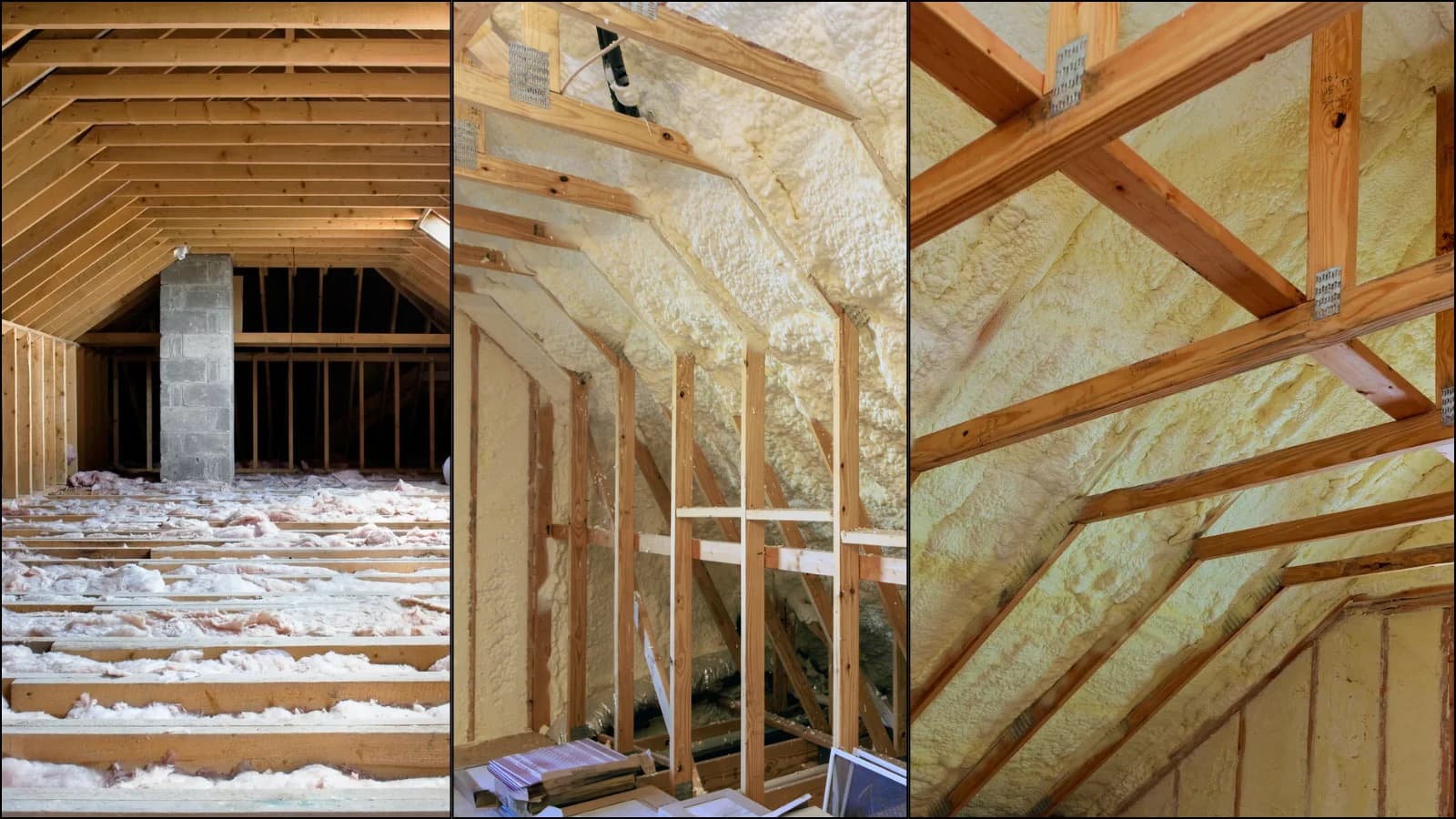
Most San Antonio homes start with the attic, where the most heat gets in. See our attic insulation in San Antonio page for R-values and the CPS Energy rebate.
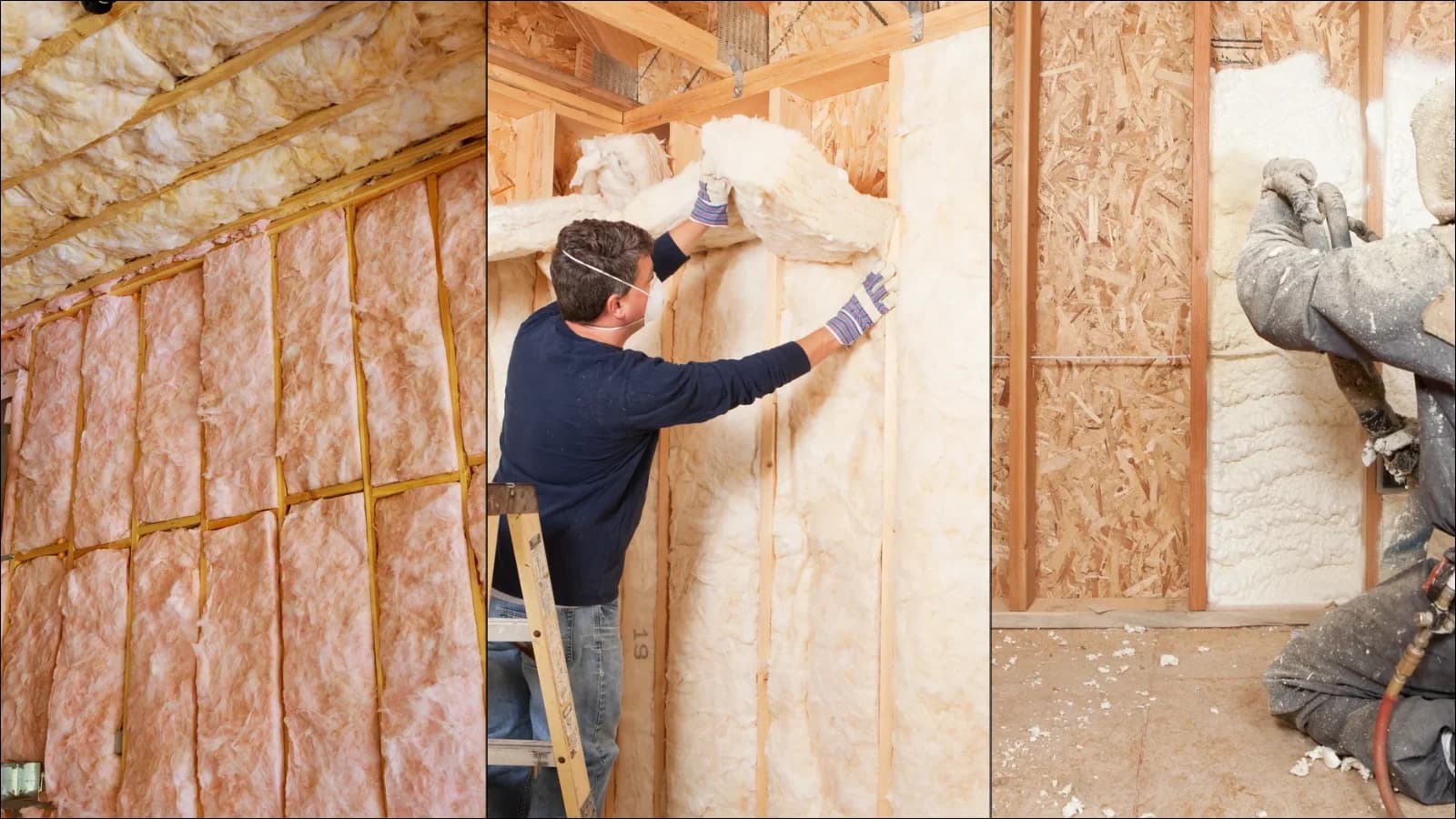
Wall insulation depends on the wall construction, existing insulation, and how accessible the cavities are.
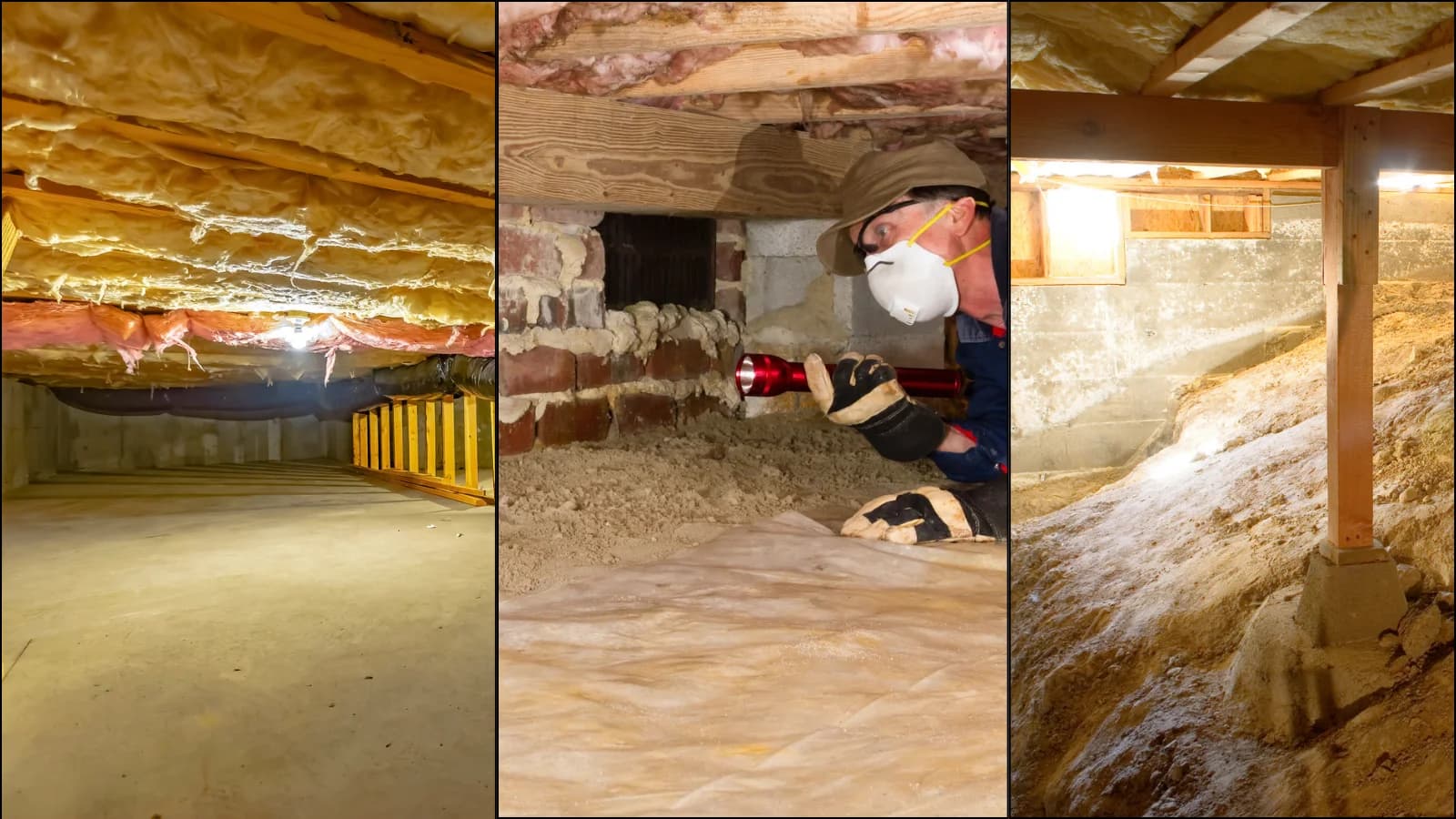
Crawl spaces require an assessment of the construction, moisture conditions, and existing insulation before choosing a system.
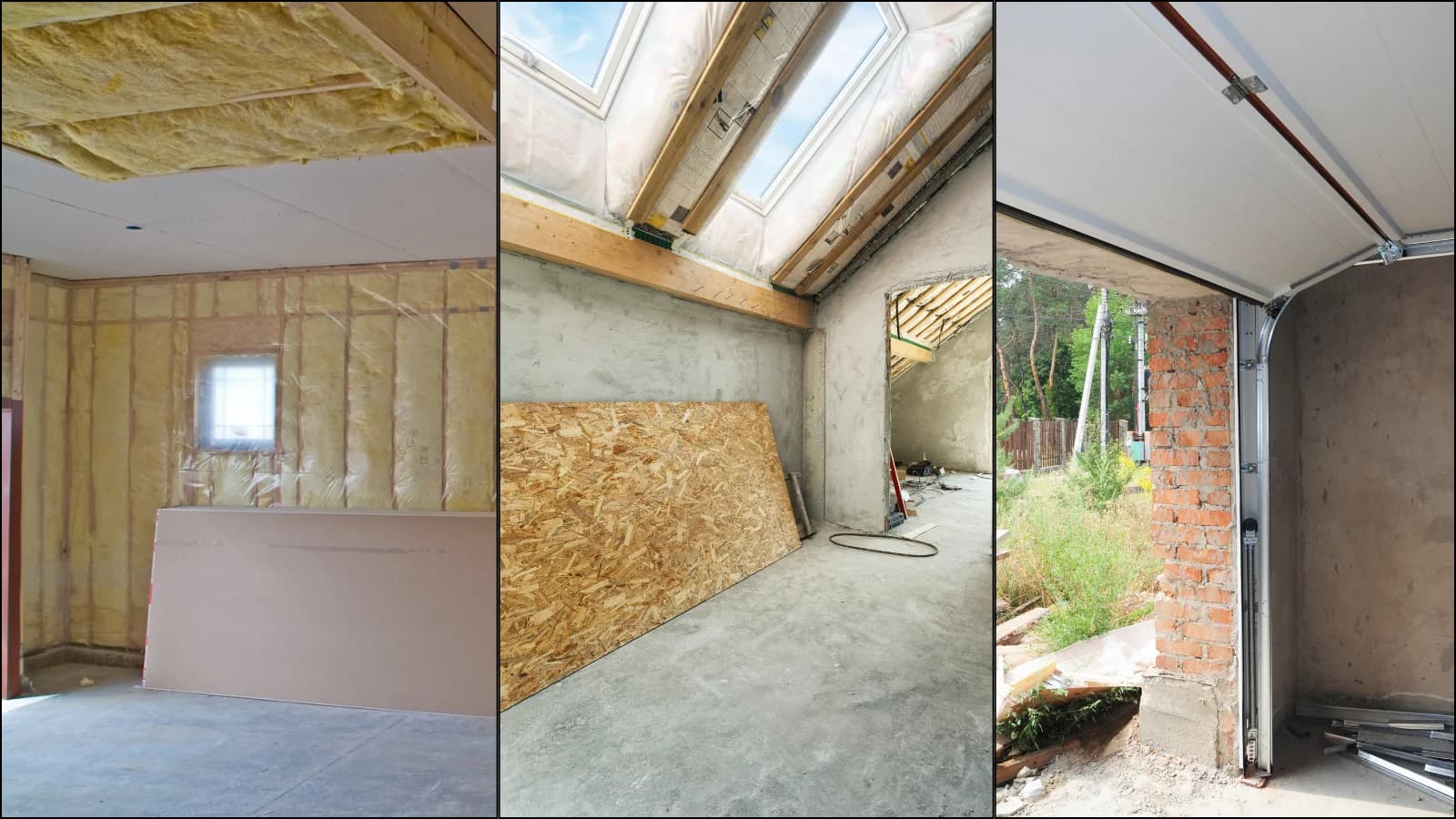
Garage insulation for rooms above and next to the garage.
The right insulation depends on where it is installed, how the space is built, and the condition of the existing insulation.
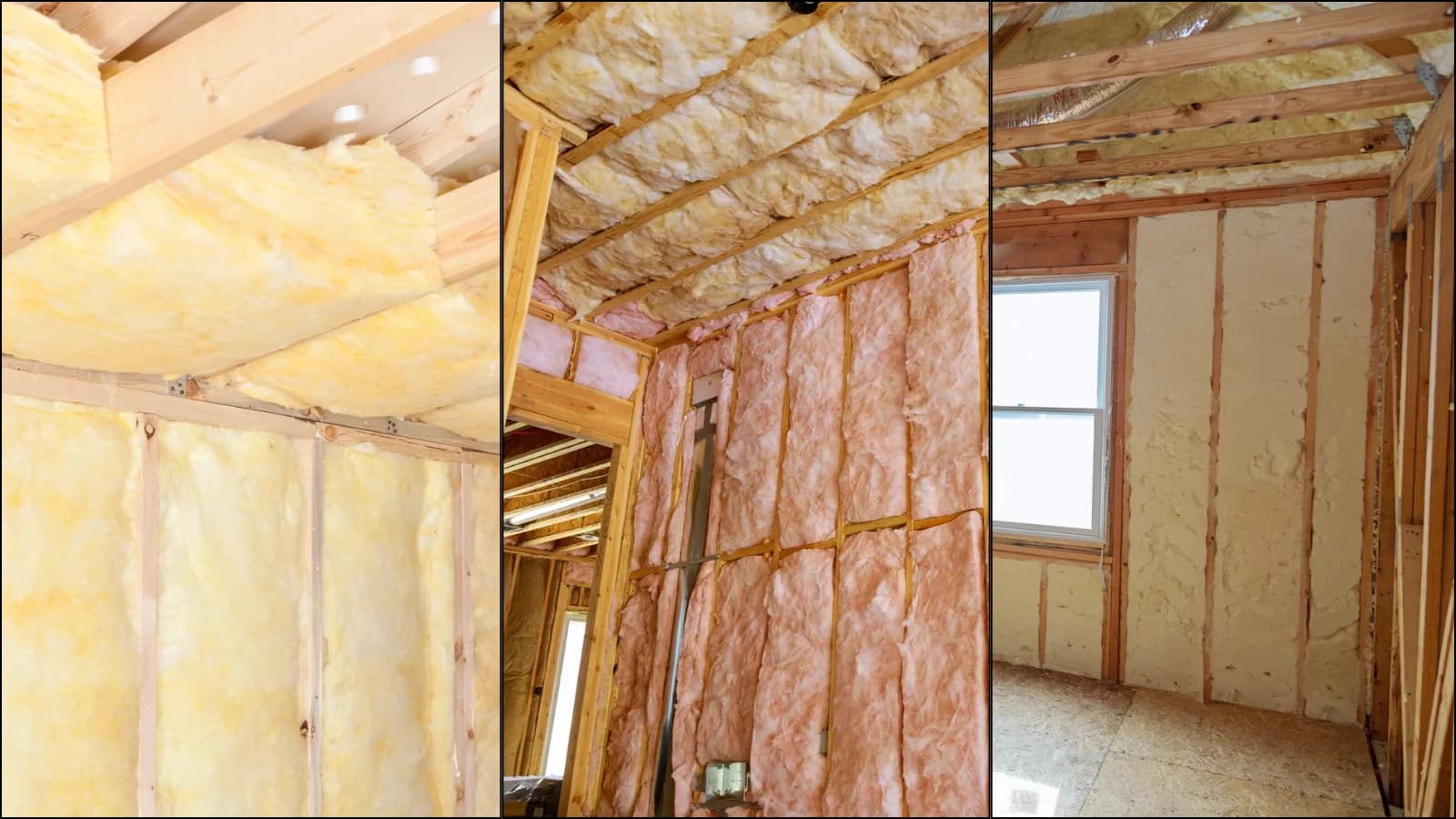
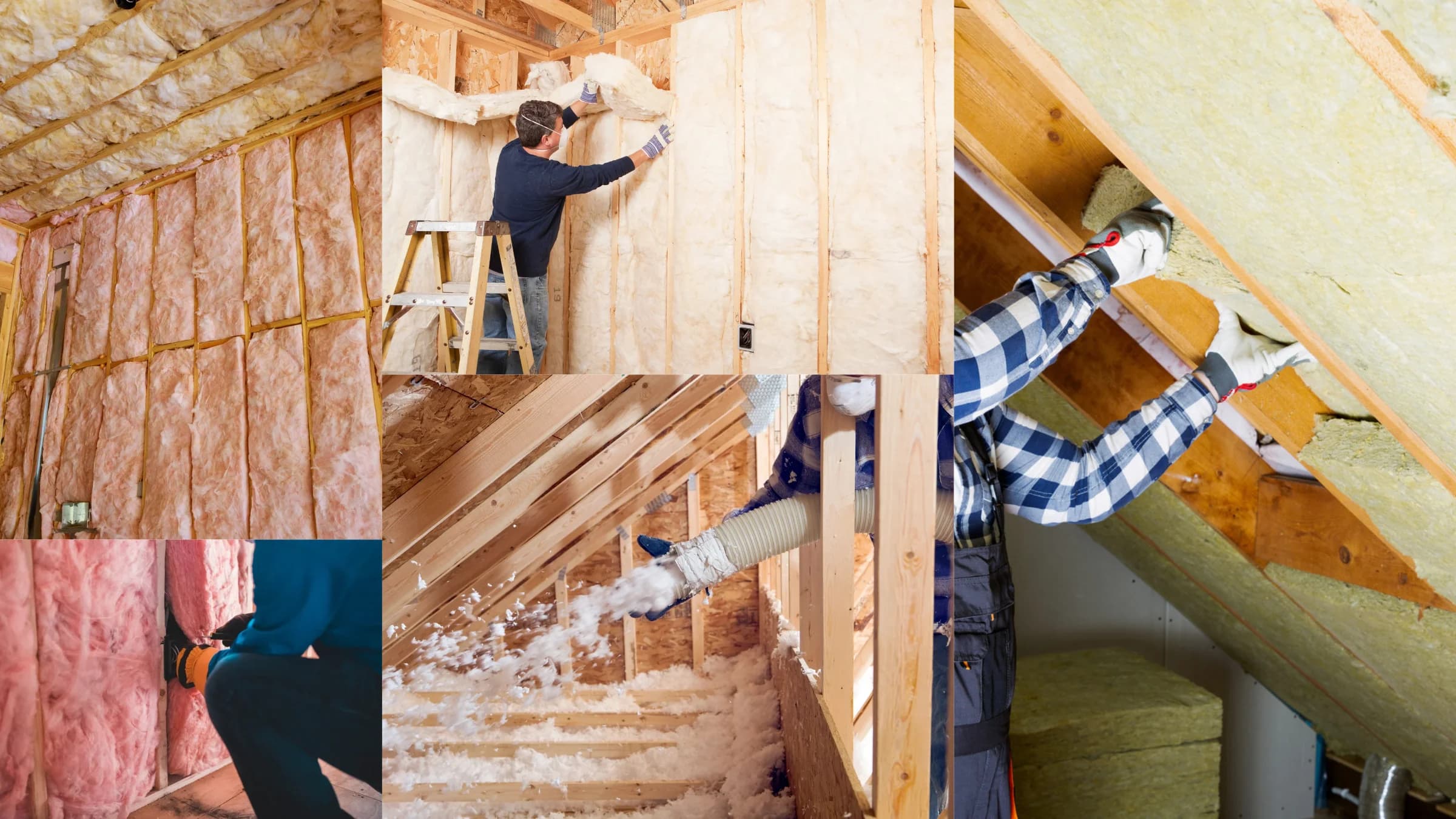
Fiberglass insulation is available as blown-in insulation, batts, and rolls. The right form depends on the space and how accessible it is.
Fiberglass insulation in San Antonio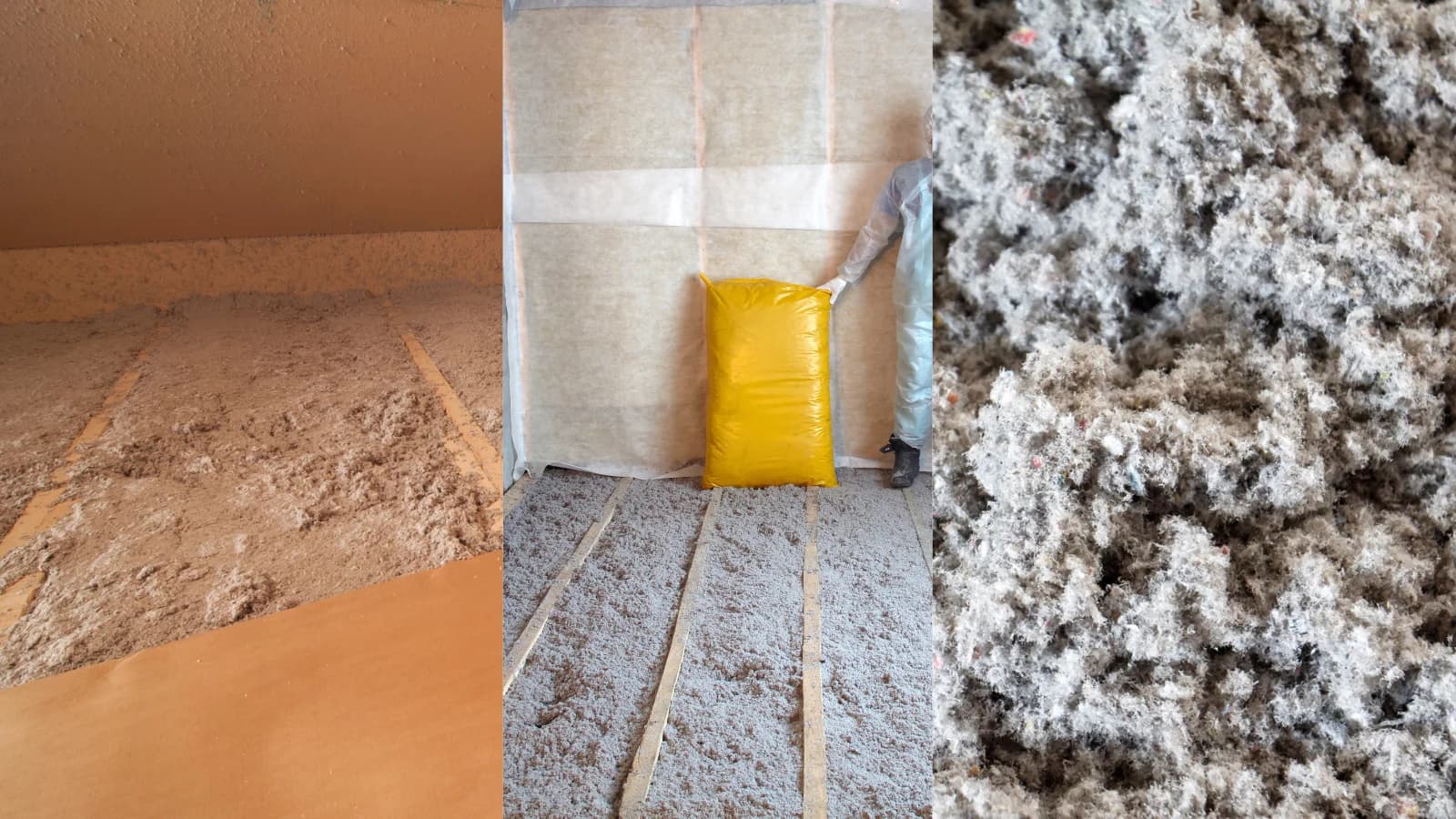
Cellulose is a loose-fill insulation commonly installed by blowing it into attic floors and some wall cavities.
Cellulose insulation in San Antonio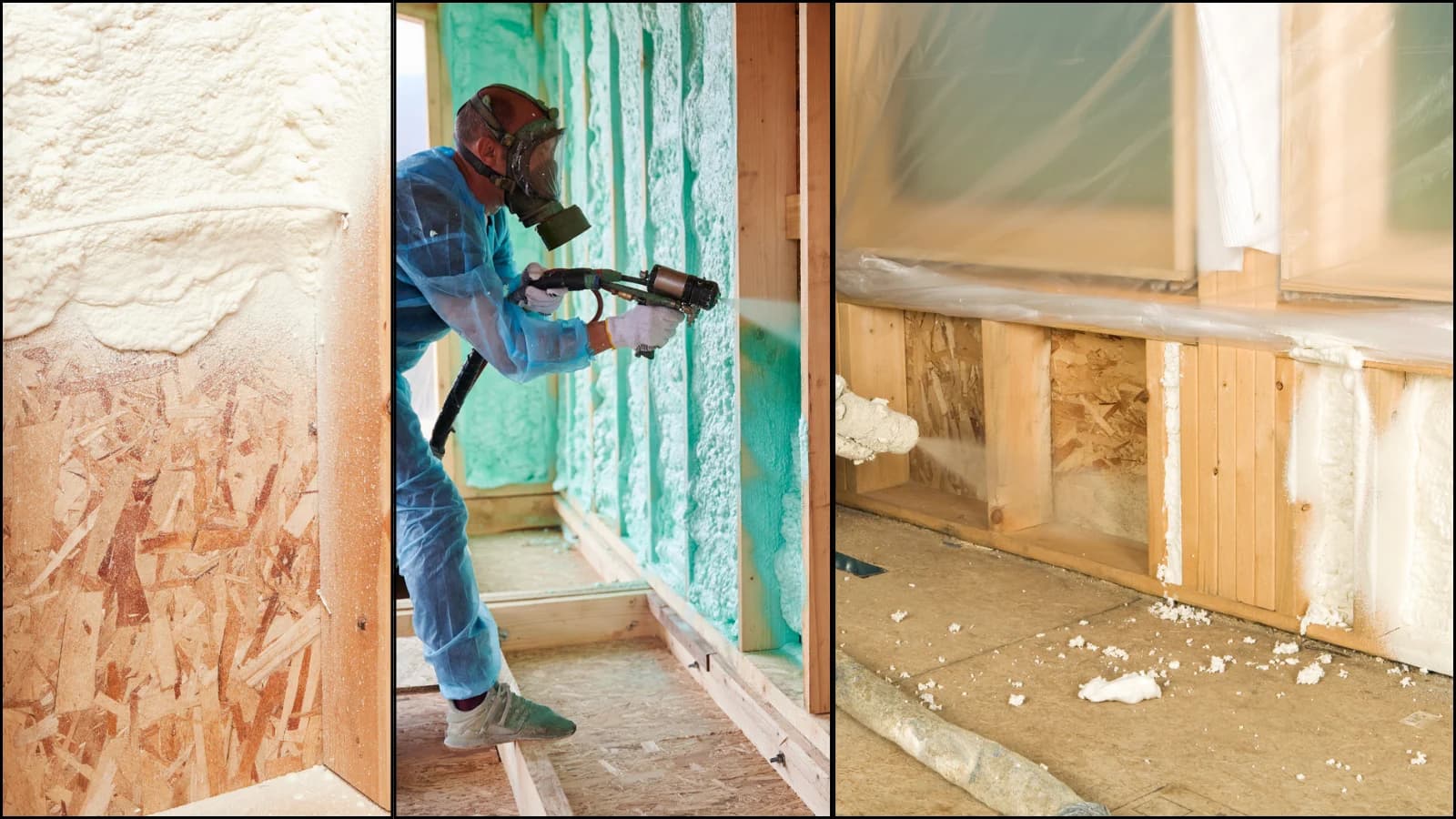
Spray foam expands after application and can be used in selected attic, roof deck, wall, and other assemblies. It is available in open-cell and closed-cell systems.
Spray foam insulation in San AntonioInsulation cost in San Antonio depends on the area you insulate, square footage, material, existing insulation, and whether you need removal or air sealing. Below is what drives the price; for a firm number, request a free estimate.
What affects the cost?
Every home is different, so we provide a property-specific estimate after assessing the space.
Free estimate
Tell us the area, the material you have in mind, and what the rooms are doing. We call you back.
Open the Insulation Calculator
Customer Reviews
“Frank and his team really did a great job. The crew was friendly, professional, and easy to work with and price was reasonable too. Really happy with the results and would definitely recommend them”
Alex James
 via Google Maps
“Had my attic insulation done by Frank and his crew, and and tbh I’m really happy with the results and how it turns out. A day after I reached out to them Frank came out to check the attic and gave me an estimate, and just two days later, the crew was back to get the job done. The attic was really in rough shape before, but it looks so much better now. Everyone worked hard and got everything done in a timely manner. Thanks Frank, and thanks to the whole crew for the great work”
Derrick J
via Google Maps
“Great experience! We booked them to insulate our attic. They gave us a quick quote and came back the next week to put in blown-in insulation. Great work, fair price, and they cleaned up everything. Highly recommend!”
George M
via Google Maps
We check the existing insulation and the condition of the space.
We identify the problem and recommend the right insulation system.
We prepare the area and install the insulation properly.
We check the finished work, clean up, and walk you through the results.
R-value is how well insulation resists heat flow. A higher number means more resistance. The right number still depends on where it is installed, the climate, the construction, the insulation already there, the material, and the space available. Install quality, coverage, and air sealing sit next to that number.
For a San Antonio attic, the 2021 IECC Zone 2 ceiling target is R-49, with an R-38 exception when full-depth insulation covers the attic and reaches over the wall top plate at the eaves. Attic R-value and depth in San Antonio explains how the target and the installed depth are set after the existing insulation is measured.
San Antonio Insulation Pros is a local insulation company serving San Antonio and surrounding communities. We help homeowners with attic, wall, garage, and other residential insulation needs across the cities listed below.
A planning guide that can help you estimate insulation work for your home.
Insulation cost in San Antonio depends on the area, square footage, material, existing insulation, R-value, access, removal and air sealing. Typical planning ranges are about $1,500 to $7,150 for a 1,500 sq ft attic, with different ranges for walls, crawl spaces and garages. Use our insulation cost calculator for a planning estimate. The written price comes after a free on-site assessment.
We provide attic insulation, spray foam, blown-in fiberglass and cellulose, fiberglass batts and rolls, insulation removal and attic air sealing for San Antonio homes. On vented roofs we also check attic ventilation during the visit. Walls, garage lids and crawl spaces are addressed when those areas are the problem. We do not replace air conditioners.
There is no single best material for every San Antonio home. The right choice depends on the area, what insulation is already there, construction details, the R-value the space can hold, air leakage, access and budget. A vented attic floor is usually blown-in fiberglass or cellulose. Spray foam fits some roof decks and open cavities after an inspection.
Spray foam and blown-in insulation are different systems, not a simple better-or-worse pair. Spray foam is applied to a surface and expands as it cures. Blown-in insulation is loose fiberglass or cellulose spread across an attic floor. The area, roof design, access and how the house is built decide which system belongs in your home.
Yes. Blown-in insulation works well on a vented attic floor because it covers a wide ceiling and gets around blocking that batts often miss. Fiberglass and cellulose are the two common materials. The product coverage chart sets the settled depth for each R-value, and we measure after install so the attic reaches the planned level.
Sometimes. The old layer has to be checked for condition, depth, coverage, moisture and contamination first. Dry, clean, thin fiberglass can often stay and be topped up to the target R-value. Wet, soiled, pest-damaged or heavily compressed fill should come out before new insulation goes in so the finished attic performs as planned.
Yes, when the material should not stay. Damaged, contaminated, wet, pest-damaged or badly deteriorated insulation is removed before the new layer is installed. Suspected vermiculite stays in place until it is tested. Knob-and-tube wiring stops the job until a qualified electrician addresses the wiring and clears the work area.
A thin or uneven attic lets heat into the rooms below, so adding insulation and sealing air leaks can help. A hot upstairs can also come from ducts, windows, sun exposure on that side of the house and how the AC distributes air. The free on-site assessment shows which of those factors are involved in your home.
Improving a weak attic can cut unwanted heat gain and may reduce cooling demand in San Antonio summers. ENERGY STAR notes that sealing and adding insulation can provide up to about 10% savings on annual energy bills. Results vary with the house, HVAC system, ducts and air leakage. That is not a promise of a specific CPS Energy bill cut.
Insulation slows heat transfer through materials. Air sealing reduces air moving through gaps and penetrations. A thick attic can still leak at the hatch, top plates, pipes, wires, ducts and recessed lights. We usually check both on the same visit so the new insulation is not undermined by air leaks around the edges.
Install time depends on the size of the area, access, the material, whether old insulation comes out, how much air sealing is included and the rest of the scope. Many attic top-ups finish in a day once materials are on site. The written quote names the expected schedule after we see the house in person.
Yes, on a vented attic. Insulation should not block soffit, ridge or gable paths that are supposed to stay open. Air-permeable insulation needs an eave baffle so it does not plug the soffit intake. The roof design decides which openings your house uses, and we check those paths before and after the insulation is installed.
No. San Antonio Insulation Pros focuses on insulation and air sealing, not HVAC equipment replacement. If a duct has pulled loose or the equipment looks like it is failing during our inspection, we note that for you so an HVAC contractor can take the next step on the mechanical side.