
Skip to content
San AntonioInsulation Pros
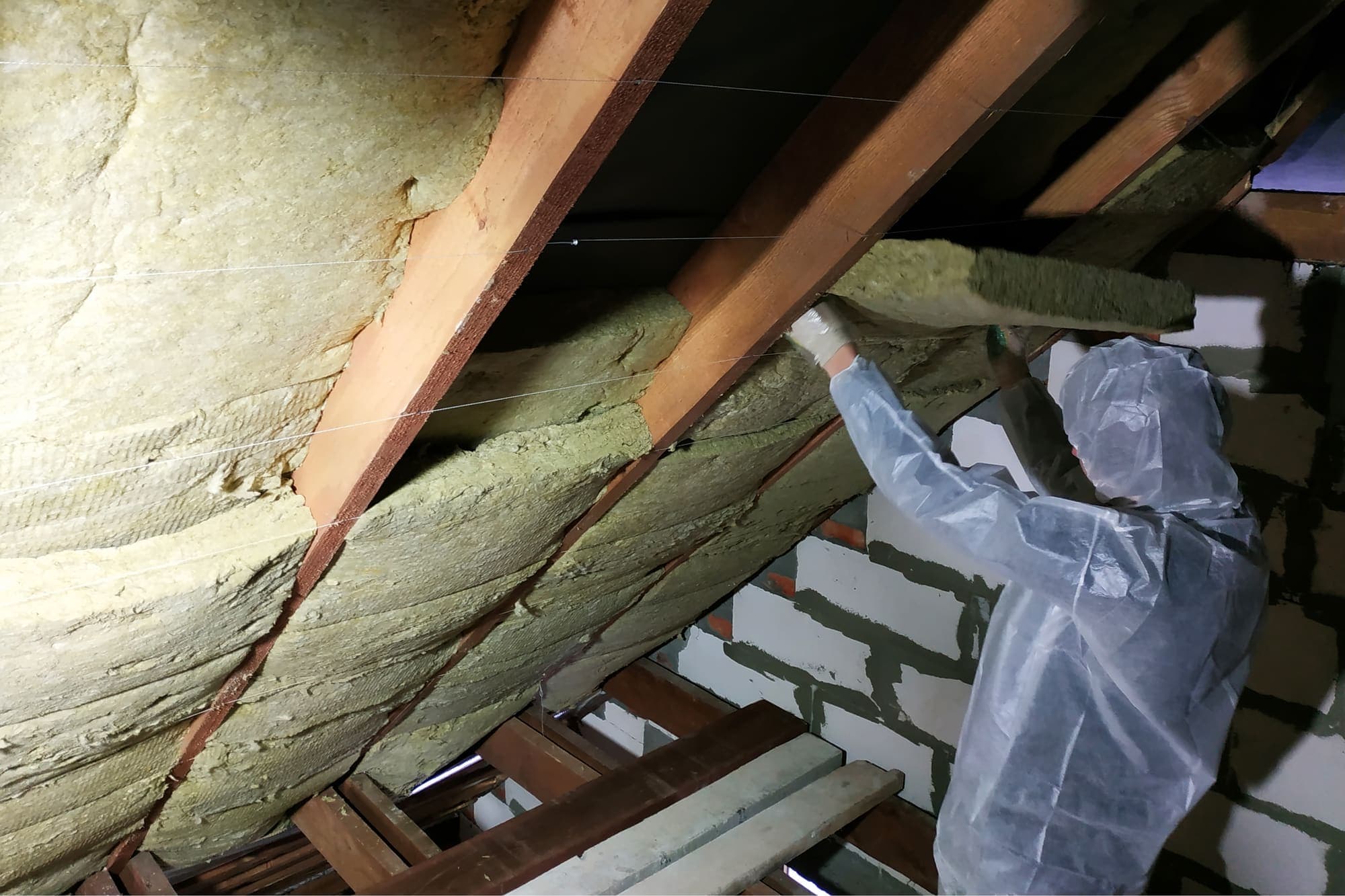
Unfinished wood rafters and roof deck, the kind of attic lid crews measure before adding depth

Blown-in cellulose insulation

Cellulose Insulation in San Antonio, TX

Improve your home's insulation with cellulose suited to the space and how your home is built. San Antonio Insulation Pros provides blown-in cellulose for attic floors and selected wall cavities, while considering your existing insulation, available space, coverage needs, and the condition of the area before recommending the right approach.
  • Free Estimates
  • Quality Work
  • Licensed & Insured
  • 5-Star Rated

Free estimate

Get a Free Cellulose Insulation Estimate

Tell us the ZIP and what the rooms are doing. We call you back.

Your request is sent securely to our business email. We do not store leads in a database on this site.

What Is Cellulose Insulation?

Cellulose insulation is a loose-fill insulation made primarily from processed plant fiber. It is typically blown into attic floors and, in some applications, wall cavities.

Because cellulose is a loose-fill material, it can cover irregular areas and spaces that can be difficult to insulate with pre-cut materials. For San Antonio homes, cellulose is commonly considered for attic floors when additional insulation depth or broader coverage is needed.

The right installation depends on the space, existing insulation, available depth, access, coverage needed, and condition of the area. San Antonio Insulation Pros evaluates these factors before recommending whether cellulose is appropriate for your home.

Cellulose insulation blown into a residential attic

Cellulose Insulation Services in San Antonio

We provide cellulose insulation for areas where loose-fill insulation can be properly installed. Our service starts with evaluating the existing insulation, available space, access, coverage, and condition of the area.

Attic Cellulose Insulation

San Antonio attics can become extremely hot during the long cooling season. Cellulose can be blown across the attic floor to create a more continuous layer between the living space and the attic.

Our attic service can include:

  • Blown-in cellulose
  • Adding cellulose over suitable insulation
  • Increasing insulation depth
  • Improving uneven coverage
  • Air sealing where needed
Explore our Attic Insulation service

Wall Cellulose Insulation

Blown-in cellulose can also be used in some San Antonio wall cavities. The installation method depends on the wall construction, existing insulation, and whether the cavities are accessible.

Our wall service can include:

  • Selected wall cavities
  • Blown-in cellulose
  • Open-wall installation
  • Remodeling projects
  • Insulation replacement
Explore our Wall Insulation service

How Cellulose Insulation Is Installed

Cellulose insulation is typically blown into place using specialized equipment to create an even layer across the insulation area. For San Antonio homes, the installation approach depends on the attic or wall cavity, existing insulation, available space, and coverage needed.

A typical cellulose insulation project may include:

  • Inspecting the existing insulation
  • Checking the attic or wall cavity
  • Addressing necessary air leaks
  • Blowing in the cellulose
  • Checking coverage and insulation depth
  • Cleaning the work area

The exact installation process depends on the home's construction, existing conditions, and the area being insulated.

Benefits of Cellulose Insulation

Cellulose can be a practical option when loose-fill insulation is suited to the space and installation conditions.

  • Broad Attic Coverage: Can cover large attic floors and irregular areas.
  • Useful for Existing Attics: Can sometimes be added over existing insulation when the material is clean, dry, and suitable to remain.
  • Helps Slow Attic Heat Transfer: Adequate attic insulation can slow heat movement from the hot attic into the conditioned space below.
  • Flexible Installation: Blown-in cellulose can be used where pre-cut insulation is difficult to fit, depending on the construction.
  • Adds Insulation Depth: Can be considered when an attic needs additional insulation and the existing layer can remain.
  • Works Around Obstructions: Loose-fill material can be distributed around many attic obstructions.

When Cellulose May Not Be the Right Choice

Cellulose can work well in San Antonio attics and some walls, but another option may be better when:

  • Moisture problems are present
  • Existing insulation is contaminated or severely damaged
  • Insulation is needed directly at the roof deck
  • The space does not allow proper loose-fill installation

Cellulose Insulation and R-Value

R-value measures how well cellulose insulation resists heat flow. The appropriate insulation level for a San Antonio home depends on the installation area, existing insulation, available space, and the requirements of the project.

For attic insulation, the target R-value helps determine the amount and depth of cellulose needed. The required depth can vary by product and installation conditions.

When San Antonio Insulation Pros evaluates a cellulose insulation project, we consider:

  • Installation location
  • Existing insulation
  • Target R-value
  • Available space
  • Required insulation depth
  • Coverage and installation conditions

We evaluate the existing attic or wall space before recommending the appropriate cellulose depth rather than using the same thickness for every home.

Blown-In Cellulose vs. Blown-In Fiberglass

Both cellulose and fiberglass can be installed as blown-in insulation, but they are different materials and can have different characteristics. The right choice depends on the attic or wall construction, existing insulation, required coverage, available space, and project requirements.

Material

Cellulose
Loose-fill cellulose
Blown-In Fiberglass
Loose-fill fiberglass

Installation

Cellulose
Blown into place
Blown-In Fiberglass
Blown into place

Common use

Cellulose
Attic floors and selected wall cavities
Blown-In Fiberglass
Attic floors and selected wall cavities

Coverage

Cellulose
Broad loose-fill coverage
Blown-In Fiberglass
Broad loose-fill coverage

Existing insulation

Cellulose
Can sometimes be added over suitable insulation
Blown-In Fiberglass
Can sometimes be added over suitable insulation

Which One Is Right for Your Home?

The right option depends on the space, access, existing insulation, available depth, and coverage needed. San Antonio Insulation Pros can inspect the area and recommend the loose-fill insulation approach that fits your project.

Our Cellulose Insulation Process

We keep the process simple.

  1. 1

    Inspect

    We look at the existing insulation, coverage, condition, access, and available space.

  2. 2

    Recommend

    We determine whether cellulose is appropriate and how much insulation the area needs.

  3. 3

    Install

    We prepare the area and install the cellulose using the appropriate blowing method.

  4. 4

    Verify

    We check the finished coverage and clean up the work area.

How Much Does Cellulose Insulation Cost in San Antonio?

The cost of cellulose insulation in San Antonio varies from home to home. It depends on the size and condition of the area, required insulation depth, existing insulation, access, and any preparation or removal required before installation.

The main factors that affect cost include:

  • Area Size: Square footage and coverage required
  • Required R-Value and Depth: The insulation level needed for the application
  • Existing Insulation: Condition and amount already present
  • Removal: Whether unsuitable insulation needs to come out
  • Air Sealing: Preparation that may be needed before installation
  • Access: How easily the area can be reached
  • Attic or Wall Layout: Construction conditions that affect installation

Because every project is different, a property-specific assessment provides a more useful estimate than a generic price.

Free estimate

Get a Free Estimate

Tell us the ZIP and what the rooms are doing. We call you back.

Your request is sent securely to our business email. We do not store leads in a database on this site.

Calculate Cellulose Cost in 60 Seconds

Open the calculator

When Should You Consider Cellulose Insulation?

Cellulose may be worth considering when a home needs additional loose-fill insulation and the space is suitable for blown-in installation.

You may want to consider cellulose when:

  • Attic insulation is thin or uneven
  • Existing attic insulation needs additional depth
  • The attic has many obstructions
  • You need broad loose-fill coverage
  • Selected wall cavities need blown-in insulation
  • Existing insulation is suitable to remain
  • An attic needs an insulation upgrade
  • A specific area needs better insulation coverage

The first step is to determine what insulation is already in place, its condition, and what the space actually needs. San Antonio Insulation Pros can evaluate the area and help determine whether cellulose is a suitable option for your project.

Cellulose Insulation for San Antonio Homes

San Antonio's hot summers make attic insulation an important part of managing heat transfer through the ceiling. Homes can also have very different insulation conditions depending on their age, construction, and previous upgrades.

Cellulose may be considered for:

  • San Antonio homes with thin attic insulation
  • Attics with uneven coverage
  • Homes with hot upstairs rooms
  • Homes that need additional attic insulation
  • Certain accessible wall cavities
  • Existing insulation that can remain in place

An assessment helps determine whether cellulose fits the home and where it should be installed.

Areas We Cover

San Antonio Insulation Pros provides insulation services throughout San Antonio and surrounding communities. We serve homeowners in nearby cities with attic, wall, cellulose, and other residential insulation needs.

  • New Braunfels
  • Schertz
  • Seguin
  • Converse
  • Cibolo
  • Boerne
  • Universal City
  • Live Oak
  • Helotes
  • Selma
  • Leon Valley
  • Castle Hills
  • Windcrest
  • Terrell Hills
  • Shavano Park
  • Austin

Cellulose Insulation FAQs

Cellulose can be suitable for San Antonio attic floors when loose-fill insulation is appropriate. The existing insulation, available depth, attic layout, and required coverage should be evaluated first.

Adequate attic insulation can slow heat transfer from a hot attic into the conditioned space below. Whether cellulose is the right material depends on the attic and existing conditions.

Neither material is automatically right for every project. Both can be used as blown-in insulation, and the appropriate choice depends on the space, existing insulation, access, available depth, and project requirements.

Sometimes. Clean, dry insulation that is suitable to remain may allow additional cellulose to be installed over it. The existing insulation should be inspected first.

Loose-fill insulation can change in depth depending on the material, installation, and conditions. The installed coverage and required depth should be checked rather than assuming the original depth remains unchanged.

It can help slow heat transfer through an adequately insulated ceiling when the attic is contributing to the problem. The existing insulation and attic conditions should be evaluated before adding more.

Its useful life depends on the installation, building conditions, moisture, disturbance, and how the insulation is maintained. Proper installation and suitable conditions matter.

The appropriate R-value depends on where the insulation is installed, the existing insulation, available depth, and applicable requirements. The required cellulose depth depends on the specific product.

Cost varies based on area size, required depth, existing insulation, access, and preparation or removal required. A property-specific assessment provides a more useful estimate than a generic price.