
More Comfortable Upstairs
Adequate attic insulation can help reduce heat entering the rooms below, which may make upstairs areas more comfortable during San Antonio's hot summers.

San Antonio Attic Insulation
Improve comfort in your San Antonio home with attic insulation suited to the existing space, insulation condition, and roof construction. If your upstairs stays hot, your AC runs for long periods, or your attic has thin or uneven insulation, San Antonio Insulation Pros can inspect the space and recommend the work it actually needs.
We install fiberglass, cellulose, and spray foam insulation and can also address related attic needs such as air sealing and insulation removal.
Free quote
Tell us about your attic and what you are experiencing. We can evaluate the existing insulation, attic conditions, and areas that may need attention before recommending the right approach.
Your request is sent securely to our business email. We do not store leads in a database on this site.
San Antonio's long, hot summers can put significant heat load on a home. As the roof absorbs heat, the attic can become much hotter than the living space below. If the attic floor does not have enough insulation, that heat can transfer toward the rooms underneath.
Proper attic insulation creates a layer of resistance between the hot attic and your conditioned living space. It can help reduce unwanted heat transfer and make it easier to maintain more consistent indoor temperatures.
For San Antonio homes, attic insulation is especially important when existing insulation is thin, uneven, compressed, or missing in certain areas. The condition of the attic, existing insulation, air leakage, ventilation, and home construction all need to be considered when deciding what improvements are appropriate.
Your attic plays an important role in how comfortable your San Antonio home feels. When insulation is too thin, uneven, compressed, damaged, or missing in certain areas, more heat can move from the attic into the living space below.
You may want to have your attic inspected if you notice:
These signs do not necessarily mean your entire attic needs new insulation. Problems with air leakage, ductwork, ventilation, windows, or the HVAC system can also affect comfort.
We inspect the existing insulation, coverage, attic conditions, air leakage, and available space before recommending any work. This helps determine whether your attic needs additional insulation, insulation removal, air sealing, or a different solution.
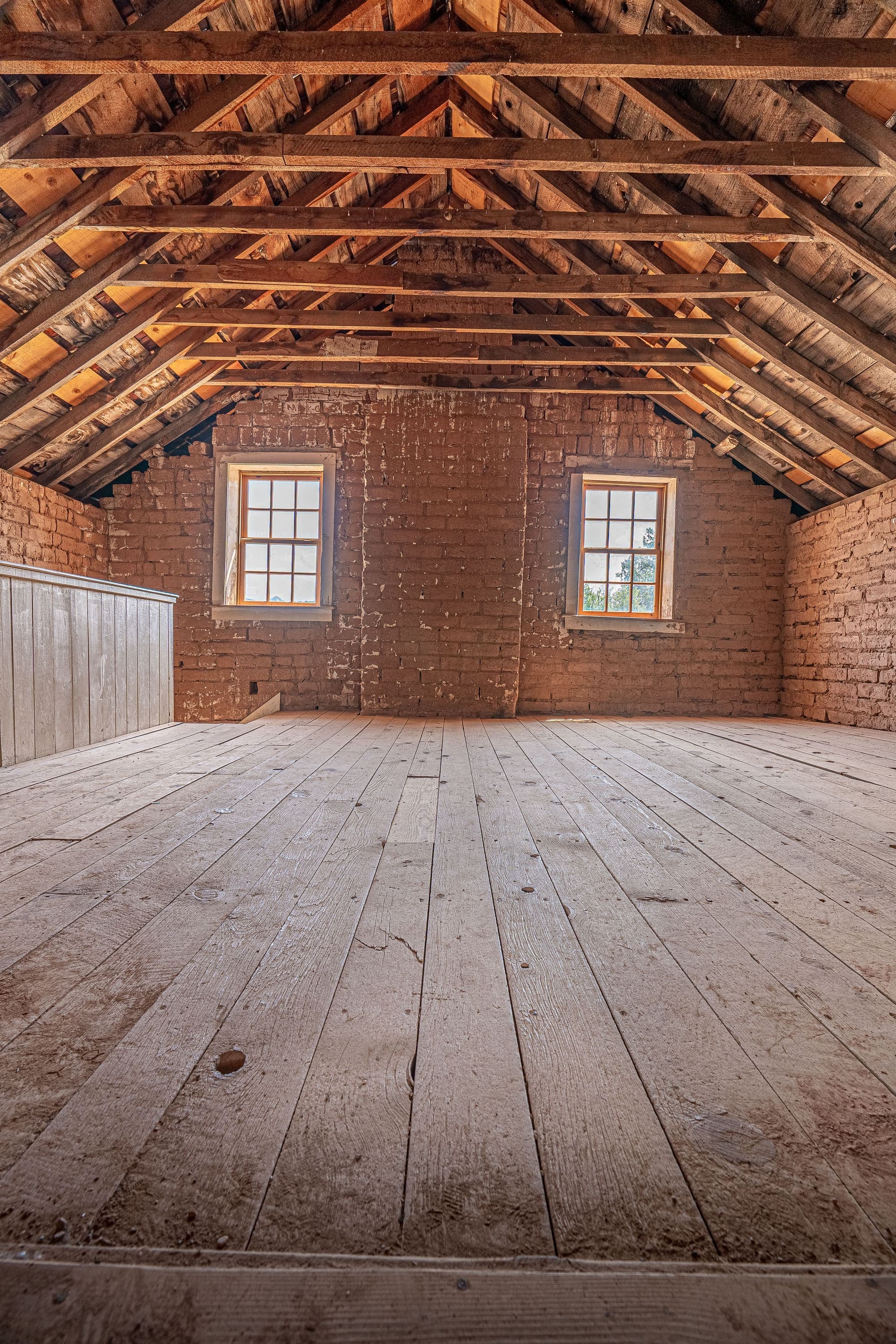
A well-insulated attic can make a noticeable difference in how your home handles San Antonio's heat.
Adequate attic insulation can help reduce heat entering the rooms below, which may make upstairs areas more comfortable during San Antonio's hot summers.
Improving thin or uneven insulation can help reduce temperature differences between rooms and areas of the home.
When less heat moves through the attic floor, your air conditioner may have less heat to overcome when maintaining your preferred indoor temperature.
Adding insulation to areas that are thin, uneven, or missing can provide more consistent coverage across the attic floor.
A properly insulated attic creates more resistance between the hot attic and the conditioned space below, helping limit how much heat moves into the home.
Reducing unwanted heat transfer through the attic can contribute to better overall energy efficiency. Actual results vary depending on the home's construction, HVAC system, windows, air leakage, and other factors.
We install different types of attic insulation based on your home's existing insulation, attic layout, available space, and construction. We inspect the attic first, then recommend the material and installation method that fits the space.
We install fiberglass as blown-in insulation, batts, or rolls depending on the attic layout and the areas that need coverage. Fiberglass can work well for open attic floors and accessible sections where we can install it properly.
Our Fiberglass Attic Services:
We install cellulose as loose-fill insulation across suitable attic floors. It can provide broad coverage when an attic needs additional insulation depth or when existing insulation can remain in place.
Our Cellulose Attic Services:
We apply spray foam directly to selected attic surfaces where the home's construction and insulation strategy make it appropriate. Spray foam can insulate the assembly while also helping reduce air movement through the areas we seal.
Our Spray Foam Attic Services:
Attic insulation helps slow heat transfer, but insulation alone does not stop air from moving through gaps in the ceiling and attic. We check both insulation and airflow conditions to help your attic perform properly.
We inspect common air leakage points such as:
We also check the attic's ventilation system, including soffit vents, ridge vents, gable vents, intake and exhaust openings, and ventilation baffles. When we add insulation to a vented attic, we keep the designed ventilation paths open so insulation does not block airflow. Addressing air leaks and maintaining proper ventilation can complement your attic insulation and help create a better-performing attic system.
We keep the process simple and start with the condition of your actual attic.
We inspect the existing insulation, coverage, depth, attic access, ventilation, air leaks, and other conditions.
We explain what we find and recommend the insulation approach that fits your attic.
We prepare the attic, complete necessary air sealing or preparation, and install the selected insulation.
We check the finished insulation for consistent coverage, appropriate depth, gaps, and protected ventilation paths.
The cost of attic insulation varies from home to home. We look at the size of your attic, the existing insulation, the type of insulation you need, and any preparation required before installation.
Several factors can affect your attic insulation cost:
A straightforward installation in a clean, accessible attic will have different requirements from a project that involves removing damaged insulation, preparing the space, and installing a new insulation system.
Free quote
Tell us about your attic and what you are experiencing. We can evaluate the existing insulation, attic conditions, and areas that may need attention before recommending the right approach.
Your request is sent securely to our business email. We do not store leads in a database on this site.
Calculate Attic Insulation Cost in 60 Seconds
Older homes may have insulation that has settled, compressed, become disturbed, or no longer provides consistent coverage. We inspect the existing material before determining whether additional insulation or replacement makes sense.
A hot second floor is a common reason homeowners investigate attic insulation. The attic can contribute to heat gain, but ducts, windows, air leakage, solar exposure, and HVAC performance can also affect upstairs temperatures.
When HVAC ducts are located in the attic, their condition and location should be considered when planning insulation work. We look at the existing attic setup before recommending an insulation approach.
Existing blown-in insulation does not automatically need to be removed. We check its condition, depth, and coverage to determine whether additional insulation can be installed over it.
Fiberglass batts can remain useful when they are dry, properly positioned, and providing adequate coverage. Compressed, displaced, damaged, or poorly fitted batts may require additional work.
A remodel can be a practical time to inspect attic insulation and air sealing while other parts of the home are already being opened or modified.
San Antonio Insulation Pros provides insulation services throughout San Antonio and surrounding communities. We serve homeowners in nearby cities with attic insulation and other residential insulation needs.
Guides and comparisons that can help you plan the right insulation work for your home.
September 17, 2026
Should you add insulation over old attic insulation or replace it? Learn when removal is needed, what affects replacement cost, and what to check first.
Read articleSeptember 18, 2026
Does insulation stop air leaks? Learn how attic air sealing differs from insulation, where leaks hide, and why sealing comes first.
Read articleSeptember 19, 2026
Attic floor vs. roof insulation: how vented and unvented attics work, when spray foam at the roofline makes sense, and what each costs to plan for.
Read articleThe right insulation depends on the attic's construction, existing insulation, available space, air leakage, ventilation, and required insulation level. Fiberglass, cellulose, and spray foam can each be appropriate in different applications.
Blown-in fiberglass and cellulose can provide broad coverage across attic floors. The appropriate material depends on the existing insulation, attic conditions, available depth, and installation requirements.
Both can be installed as loose-fill insulation across attic floors. Fiberglass is made from glass fibers, while cellulose is primarily processed plant fiber. The appropriate choice depends on the attic and project requirements.
Spray foam can be appropriate for certain attic and roof-deck assemblies. The roof design, existing construction, ventilation strategy, and application requirements should be evaluated first.
The appropriate R-value depends on the home's construction, existing insulation, location, and applicable requirements. We evaluate the existing insulation and available space before recommending the appropriate insulation depth.
Not always. Clean, dry insulation that remains suitable can sometimes stay in place. Damaged, contaminated, pest-affected, or severely deteriorated insulation may need to be removed.
Cost depends on the attic size, insulation material, required depth, existing insulation, removal, air sealing, access, and overall attic condition.
It can help reduce heat transfer through the ceiling when inadequate attic insulation is contributing to the problem. Other factors such as ducts, windows, air leakage, solar exposure, and HVAC performance can also affect upstairs temperatures.
Improving inadequate attic insulation can reduce unwanted heat transfer and may reduce cooling demand. Actual results vary by home and other factors affecting energy use.
They address different problems and may both be needed. Air leaks around attic penetrations should be addressed where necessary before they are covered by new insulation.
Sometimes. Clean, dry, suitable existing insulation can remain while additional insulation is added. The existing material should be inspected first.
Yes. On a vented attic, insulation should not block ventilation paths designed to remain open. The appropriate approach depends on the roof and attic design.
The time depends on attic size, access, existing insulation, removal requirements, preparation, and installation method.
There is no fixed replacement schedule. Insulation can remain useful when it stays dry, intact, and properly positioned. Its condition and coverage should be evaluated when problems arise.
Improving inadequate attic insulation can help reduce heat transfer and improve temperature consistency, particularly when the attic is contributing to heat gain.