
More Comfortable Rooms
Wall insulation can help reduce heat entering rooms through exterior walls during San Antonio's hot weather.

San Antonio Wall Insulation
Improve comfort in your San Antonio home with wall insulation suited to the existing wall construction and the way your home is built. If some rooms stay hotter or colder than others, exterior walls feel unusually warm, or your home has little or no insulation in the walls, San Antonio Insulation Pros can inspect the wall assembly and recommend the work it needs.
We install fiberglass, cellulose, and spray foam insulation in wall assemblies where the construction and access allow it.
Free quote
Tell us about the rooms you're concerned about and what you are experiencing. We can evaluate the existing wall insulation, wall construction, available access, and areas that may need attention before recommending the right approach.
Your request is sent securely to our business email. We do not store leads in a database on this site.
Wall insulation is hidden inside the wall, so problems are often noticed through changes in room comfort rather than something you can see.
You may want to have your wall insulation inspected if you notice:
These signs do not automatically mean the insulation is the problem. Windows, doors, air leakage, ducts, HVAC performance, and other parts of the home's envelope can also affect room temperatures.
We inspect the wall construction, existing insulation, available cavity space, access, and condition before recommending any work. This helps us determine whether your home needs additional insulation, insulation removal, air sealing, or another solution.
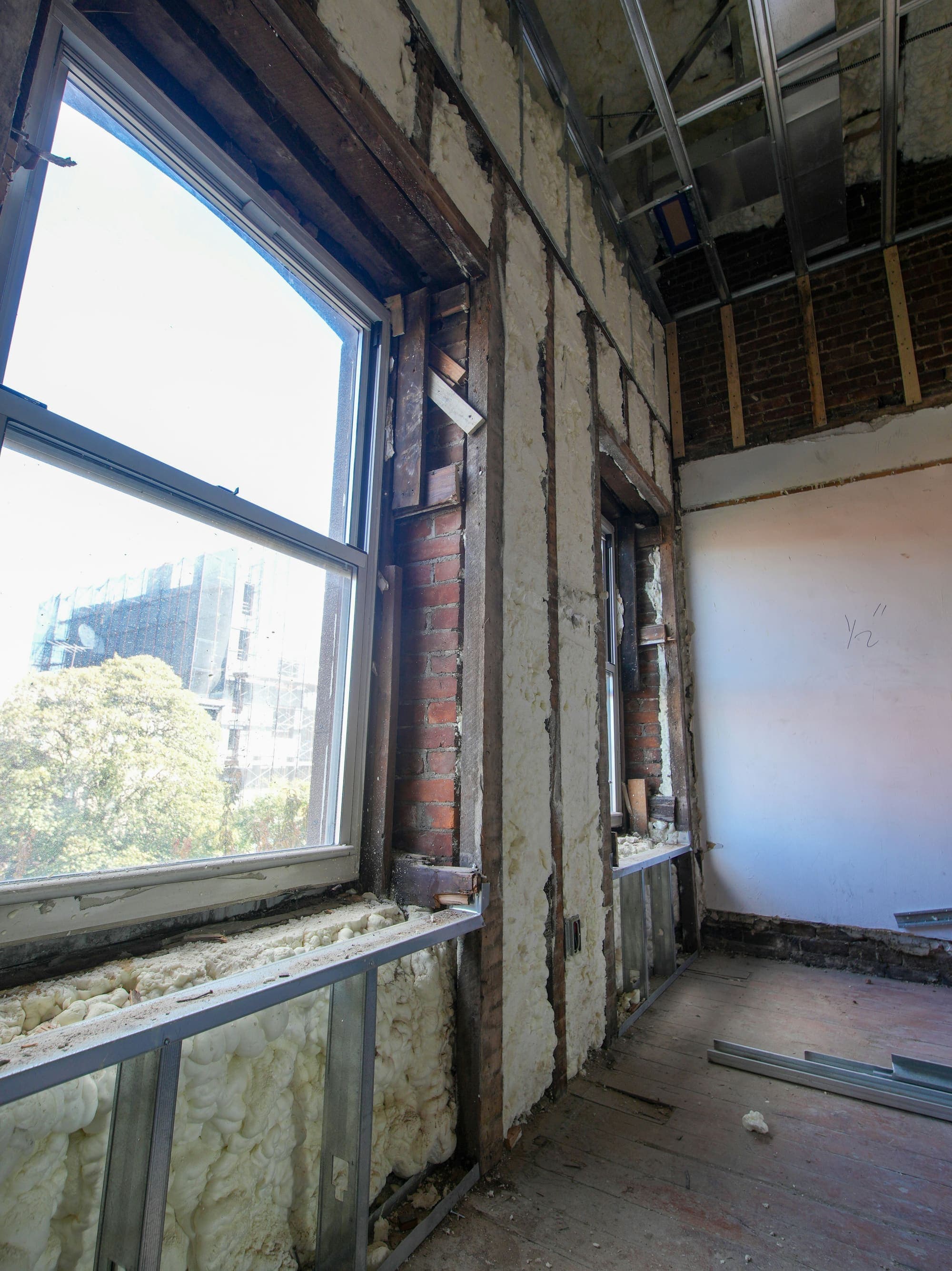
San Antonio's hot summers can put a significant amount of heat against exterior walls. When walls do not have adequate insulation, more heat can move through the wall assembly and into the conditioned space.
Wall insulation creates resistance to that heat transfer and can also help reduce heat movement during cooler weather.
The results depend on the existing wall construction, insulation coverage, windows, air leakage, and other parts of the home's envelope.
Well-insulated walls can help your home handle outdoor temperature changes more effectively.
Wall insulation can help reduce heat entering rooms through exterior walls during San Antonio's hot weather.
Improving missing or inadequate insulation can help reduce temperature differences between rooms.
Insulation slows heat moving through exterior wall assemblies.
Reducing unwanted heat entering the home can help your AC maintain indoor temperatures.
Adding insulation to suitable areas can improve coverage where walls have little, uneven, or missing insulation.
Reducing unwanted heat transfer through the walls can contribute to better overall energy efficiency. Actual results vary depending on the home's construction, HVAC system, windows, air leakage, and other factors.
Different wall assemblies require different insulation approaches. We inspect the wall construction and available access before recommending a material and installation method.
We install fiberglass batts in open wall cavities and can use blown-in fiberglass in certain existing walls when the construction allows.
Our Fiberglass Wall Services:
We can blow cellulose into certain existing wall cavities where the construction and access allow proper installation.
Our Cellulose Wall Services:
We apply spray foam to selected wall assemblies where the construction and available access support the installation.
Our Spray Foam Wall Services:
Wall insulation slows heat transfer, but it does not automatically stop air movement through gaps and penetrations. We look at both insulation and air leakage when evaluating a wall assembly.
We may inspect areas around:
The right approach depends on the wall construction and the condition of the existing assembly.
Not necessarily. Existing insulation may remain when it is clean, dry, properly installed, and still suitable for the wall assembly.
Removal may be needed when the insulation is:
We inspect the wall cavity before deciding whether to add insulation or remove the existing material.
We keep the process simple and start with the condition of your walls.
We inspect the wall construction, existing insulation, available access, and condition.
We explain what we find and recommend the insulation system that fits the wall assembly.
We prepare the area and install the selected insulation properly.
We check the finished work and make sure the installation provides the intended coverage.
The cost of wall insulation varies from home to home. We look at the size of the area, wall construction, existing insulation, access, and the type of insulation needed.
Several factors can affect your wall insulation cost:
An open wall during a remodel can have very different requirements from a finished wall that needs insulation added through limited access.
We inspect the wall assembly first and provide a quote based on the actual work your home needs.
Free quote
Tell us about the rooms you're concerned about and what you are experiencing. We can evaluate the existing wall insulation, wall construction, available access, and areas that may need attention before recommending the right approach.
Your request is sent securely to our business email. We do not store leads in a database on this site.
Calculate Wall Insulation Cost in 60 Seconds
Older homes may have limited, outdated, or uneven wall insulation. We inspect the existing wall assembly before recommending an upgrade.
A renovation can provide access to wall cavities that would otherwise be difficult to reach. This can make it easier to inspect and improve the insulation.
If one room is consistently harder to keep comfortable, wall insulation can be one part of the investigation along with windows, air leakage, and HVAC distribution.
Finished walls require an installation approach that fits the existing construction and available access.
We may inspect your wall insulation when you have:
Guides and comparisons that can help you plan the right insulation work for your home.
September 20, 2026
Learn how much attic insulation costs, what affects the price, and how insulation type, removal, air sealing, and attic size can change your total cost.
Read articleSeptember 20, 2026
Learn the signs of attic insulation problems, including thin, uneven, settled, damaged, or old insulation, and when it may need replacement.
Read articleSeptember 21, 2026
Compare the best insulation types for attics, including fiberglass, cellulose, spray foam, blown-in insulation, batts, and rolls.
Read articleThe right material depends on the wall construction, available access, existing insulation, required R-value, and installation requirements. Fiberglass, cellulose, and spray foam can each work in different wall assemblies.
Sometimes. The appropriate method depends on the wall construction, existing insulation, available access, and condition of the cavity.
Blown-in fiberglass and cellulose can work in certain existing wall cavities when the construction allows proper installation and coverage.
Spray foam can be appropriate for selected wall assemblies where the construction and access support the installation.
It can help reduce heat transfer through exterior walls when inadequate wall insulation contributes to the problem. Windows, air leakage, HVAC distribution, and other factors can also affect room temperatures.
Cost depends on wall area, insulation material, installation method, access, existing insulation, removal, air sealing, and wall construction.